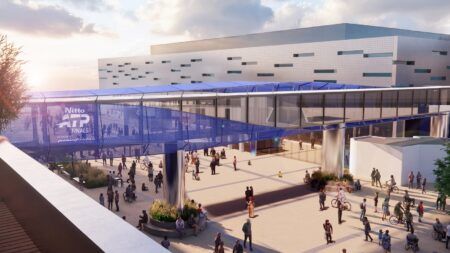


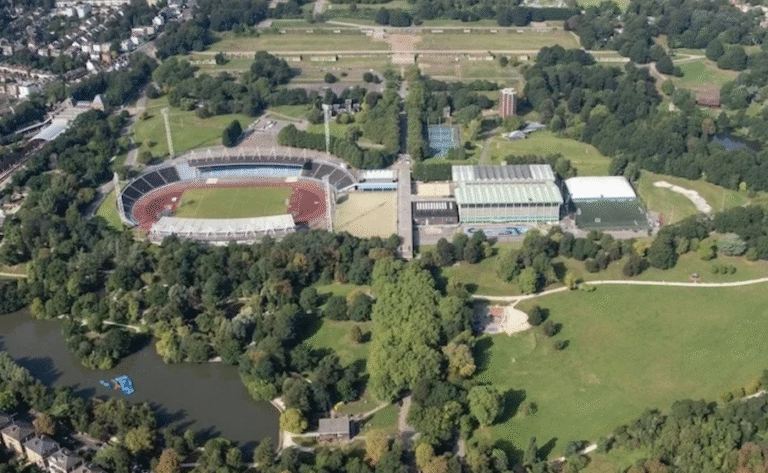
London has approved plans for a £130 million transformation of the Crystal Palace National Sports Centre, marking a major step towards reviving one of Britain’s most iconic sporting venues after years of decline.
The Grade II-listed complex, which opened in 1964, will undergo a comprehensive refurbishment including upgraded swimming and diving facilities, modernised indoor sports areas, improved accessibility and new outdoor community spaces.
The project is being led by the Greater London Authority with backing from London Mayor Sir Sadiq Khan and is expected to be completed by 2028.
For decades, Crystal Palace was synonymous with British athletics, hosting 28 world records and welcoming some of the sport’s biggest names, including Usain Bolt and Sir Mo Farah. However, the venue has gradually fallen into disuse since the Diamond League departed in 2012, while the closure of its Olympic-sized swimming pool in 2020 left significant parts of the site unused.
From a football perspective, the ground has not been home to a club since 2016, aside from a single Croydon FC fixture played there in October 2020.
The long-term vision also includes a proposed 25,000-seat athletics stadium, although additional funding will be required before those plans can move forward. If realised, the new stadium could return elite international athletics to Crystal Palace for the first time in more than a decade.
While the redevelopment attracted hundreds of objections, with concerns ranging from the loss of existing facilities to the impact on the surrounding park, it also received strong public support from those who believe the investment will improve community access to sport and inspire future generations.
For years, the Crystal Palace National Sports Centre has been one of London’s great forgotten sporting landmarks. Securing planning approval represents a significant milestone and offers renewed hope that the historic venue can once again become a thriving hub for sport.
Should the remaining funding be secured, the project has the potential to become one of the UK’s most significant sporting regeneration schemes, preserving the site’s rich heritage while creating facilities designed to serve athletes and the wider community for decades to come.